
Startup Business Loans With No Revenue: What’s Real, What’s Hype, and How to Get a Yes
Startup Business Loans With No Revenue: What’s Real, What’s Hype, and How to Get a Yes
Most startup business loans with no revenue are wrapped in myths. Lenders don’t just hand out cash to “ideas” or promises. What they fund is a business that looks credible on paper—clean books, solid structure, and a business credit profile that says you’re serious. This post cuts through the noise to show you exactly what lenders want, which startup funding options actually exist, and how you can build a lender-ready business, even without sales yet. For more insights, check out this Reddit discussion.
What Lenders Really Look For
Understanding the lender's perspective is crucial. They focus on aspects like your business structure and the strength of your credit profile. Building business credit from scratch is often the first step. If you're unsure where to start, our detailed guide on How to Build Business Credit can provide clarity and direction.
Building a Solid Business Credit Profile
Establishing a credit profile isn't just about getting a card. It’s about strategic use of credit tools to enhance your profile. Take, for instance, the Home Depot Credit Card—used wisely, it can be a stepping stone in your credit-building journey.
Structuring Your Business for Success
A solid business structure can make the difference between a denial and an approval. Ensuring your business is set up correctly is essential for presenting a credible case to lenders. Our Capital One Credit Card guide sheds light on securing and using credit effectively, reinforcing your business's financial leadership.
Ready to transform your business into a fundable powerhouse? Explore more resources and services at Regina Buckley & Co..
What Lenders Actually Fund
Understanding what lenders genuinely look for can be a game changer. It's not just about your idea; it's about showing you mean business on paper. Let’s dig into what that really means.
Understanding Lender Requirements
Lenders want to see that you have a serious setup. They look at the structure of your business and your credit profile. It's not just about what you're selling; it's about how your business is built. Think about your business like a house. If the foundation is shaky, the whole thing can crumble. Lenders want a solid foundation. They want to see that you've got your finances in order and a plan to move forward.
Types of Capital for Startups
There are a few types of capital that startups can access. Traditional bank loans might be tough without revenue, but there are other routes. Microloans, like the SBA microloan for startups, can provide smaller amounts of funding to get you started. These loans often come from nonprofit organizations and are easier to qualify for than larger loans. Then there's trade credit: vendors allow you to buy now and pay later. It's not cash, but it can help you manage cash flow.
Steps to Get Lender-Ready
How do you get your business ready for lenders? Start by cleaning up your financials. Your books should be neat and accurate. Next, focus on building business credit. Open a secured business credit card and pay it on time. Establish trade lines with vendors. Lastly, make sure your business structure is solid. Are you set up as an LLC or corporation? Lenders care about these details.
Building a Fundable Business
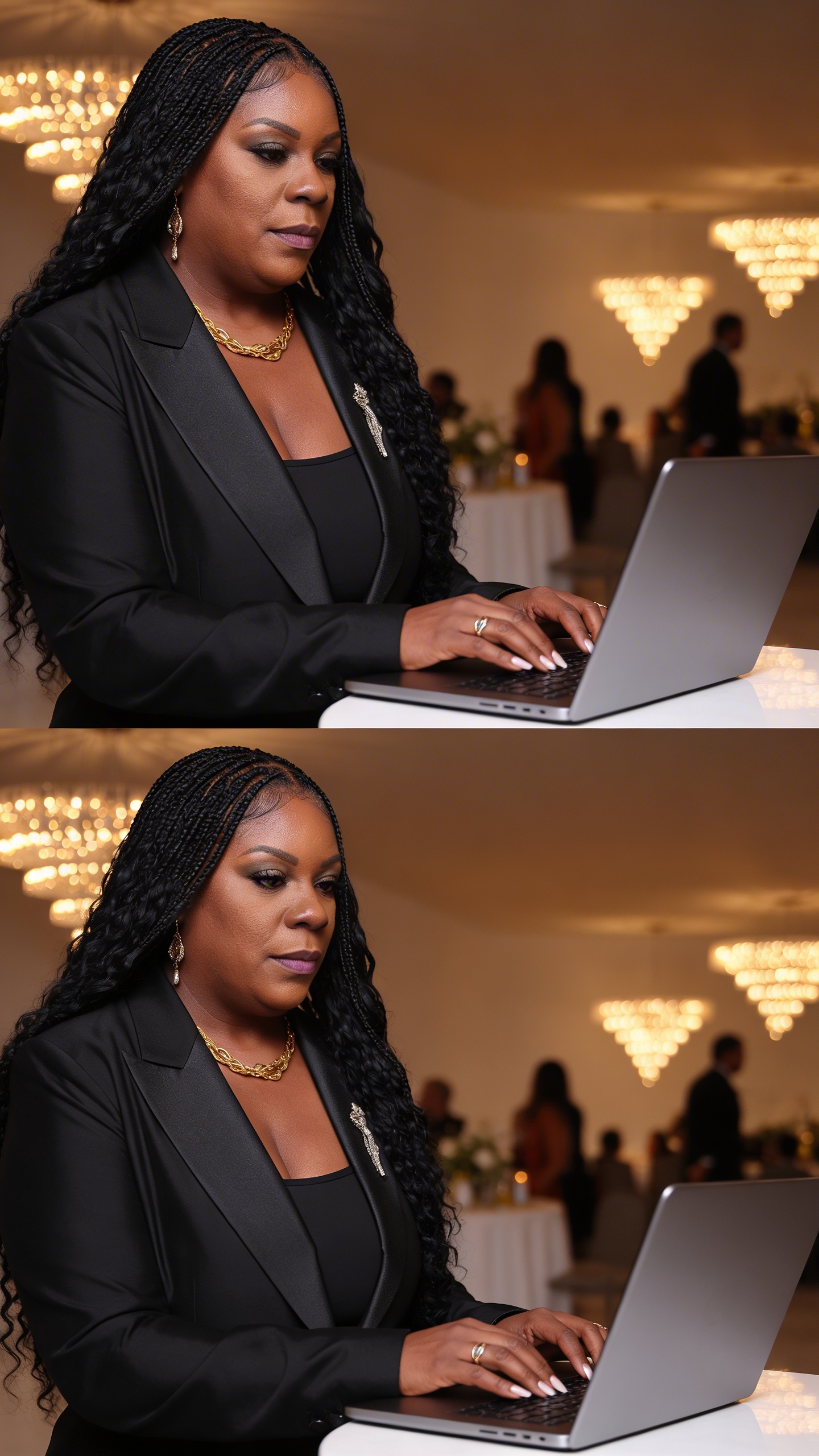
Once you know what lenders want, it’s time to build a business that meets those expectations. This section will guide you through structuring your business for success.
Structuring for Funding Success
A well-structured business is appealing to lenders. Make sure your business is legally set up and operates smoothly. Consider incorporating or forming an LLC. This not only protects you personally but shows lenders you’re serious. A solid structure also means having clear roles and responsibilities within your business. It’s about showing you’re organized and ready to grow.
Importance of Clean Financials
Your financials need to be spotless. This means accurate bookkeeping and clear financial statements. Lenders want to see a clear picture of your finances. If your numbers are messy, it’s hard for them to trust you. Clean financials also mean you’re on top of your business. It shows you know where your money is going and how you’re planning to use it.
Building Business Credit from Scratch
Building business credit is crucial. Start by opening accounts with vendors that report to credit bureaus. Pay your bills on time. Use a secured business credit card to build credit. It’s like building personal credit, but for your business. Over time, this will help you qualify for larger loans.
Moving from Denial to Approval

Have you been denied for a loan? It’s not the end. Learn how to turn that denial into an approval with a strategic approach.
Crafting a Fundable Business Plan
Your business plan is more than just a document. It’s your roadmap. A strong plan includes detailed financial projections and a clear strategy for growth. Show lenders how you plan to make money and repay the loan. A well-crafted plan can be the difference between a no and a yes.
Creating Financial Projections
Financial projections show lenders where your business is headed. They’re your best guess at future income and expenses. Use past data to inform your forecasts. Be realistic but optimistic. Show lenders you have a clear picture of the future and a plan to get there.
Preparing for Loan Applications
Get ready before you apply. Gather all your documents, including your business plan, financials, and credit reports. Practice your pitch. Know your numbers inside out. The more prepared you are, the more confident you’ll be. And confidence can go a long way with lenders.
Frequently Asked Questions
What types of loans are available for startups with no revenue?
Startups can explore options like microloans and trade credit. These don’t require extensive revenue history and can help you get started.
How can I build business credit from scratch?
Start by opening vendor accounts that report to credit bureaus, pay bills on time, and use a secured business credit card.
What should my business plan include to secure funding?
Your business plan should include detailed financial projections and a clear strategy for growth. It shows lenders your path to success.
Why is structuring my business important for getting loans?
Proper business structure protects you legally and shows lenders you’re serious, making your business more appealing for loans.
How can clean financials help me get approved for a loan?
Clean financials show you’re on top of your business and trustworthy, increasing your chances of loan approval.
